Products and services
Insulation Products, Brands and Trade Support
Browse insulation applications, specialty products and supply support for residential, commercial and retrofit projects.
Product areas
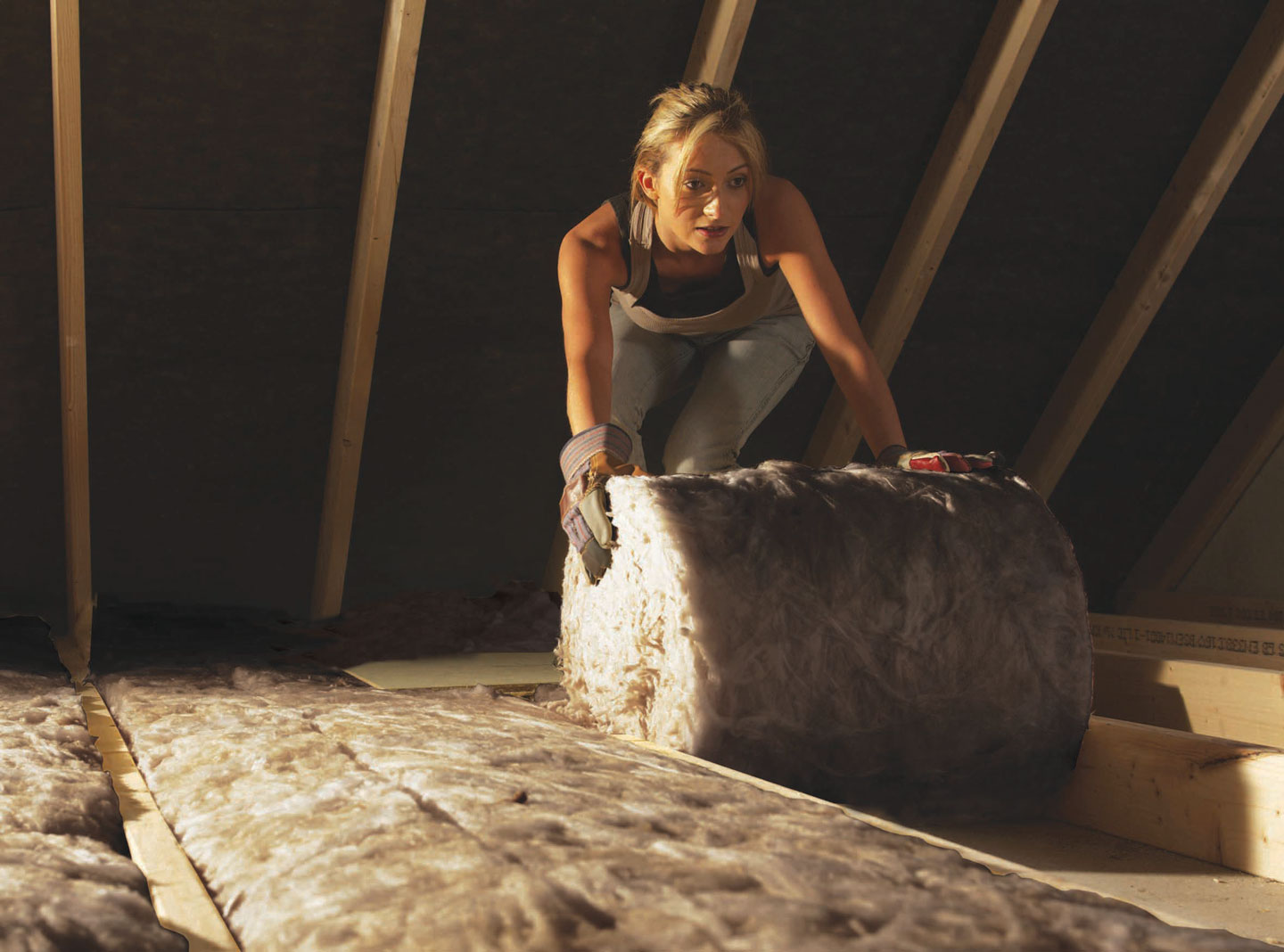
Ceiling Insulation
Thermal insulation products for roof spaces, renovations and new builds.
View ceiling insulation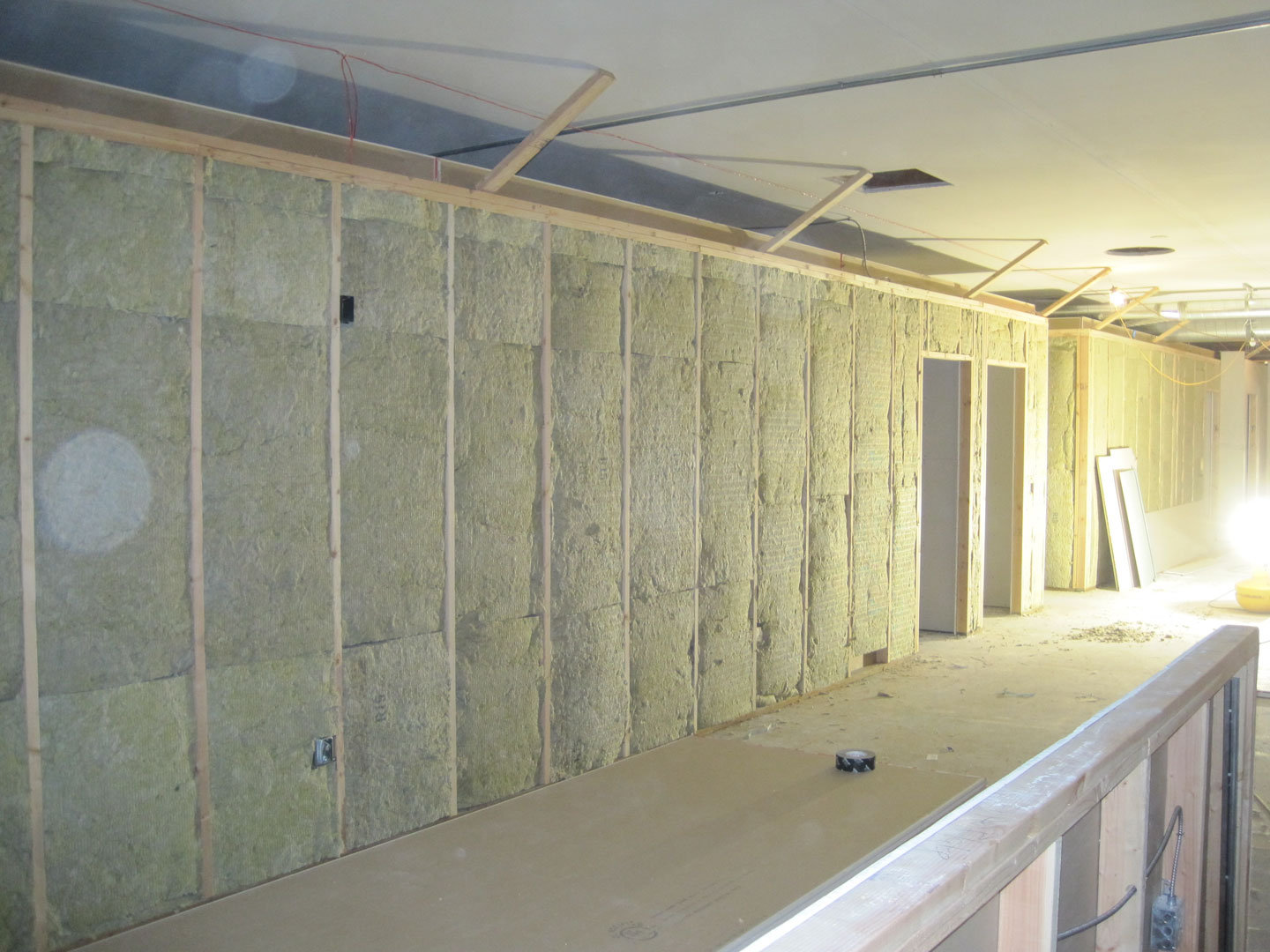
Wall Insulation
Thermal and acoustic wall options for homes, apartments and fit-outs.
View wall insulation
Underfloor Insulation
Improve comfort under timber floors and raised homes.
View underfloor insulation
Acoustic Insulation
Noise control products for walls, ceilings and commercial spaces.
View acoustic insulation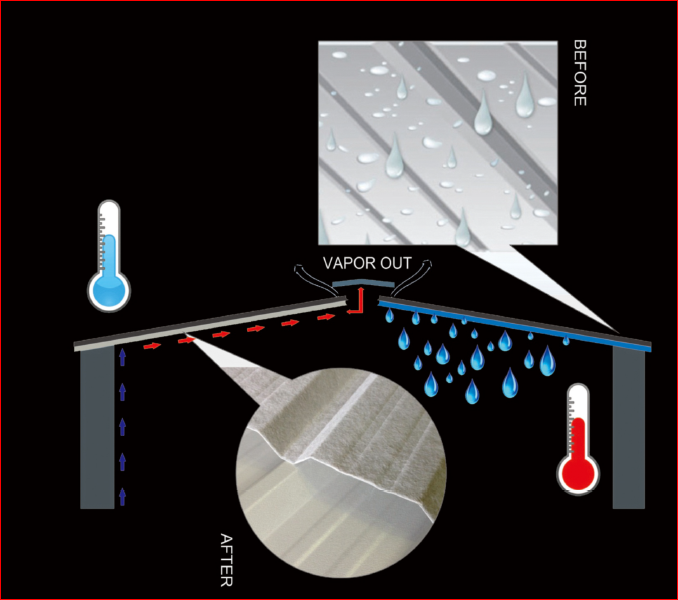
Metal Roof Anti-Condensation
Solutions for condensation control in metal roof and shed applications.
View solution
Foilboard, Greenboard and EPS
Specialty board, reflective and panel products for selected projects.
View productsServices
Supply only
Order insulation products for builders, installers and owner-builders.
Supply support
Get help comparing product options and R-value requirements.
Fast quotes
Send quantities, plans and site location for practical pricing support.
Delivery coordination
Sydney based with support for metro and selected regional delivery.
Existing website content
Detailed insulation product information
Original product notes from the previous website are kept below for reference. They are now grouped under cleaner headings so trade customers can scan the information more easily.
Insulation overview
Why is insulation important?
- reduce reliance on heating and cooling systems
- save money on your energy bills
- improve your comfort at home
- protect the environment and reduce greenhouse gas emissions by lowering your energy consumption.
Insulation requirements
Types of insulation
- Bulk insulation acts as a barrier to heat flow between your home and the outside, keeping heat out of your home in summer and in your home in winter. It comes in batts, rolls, boards and can be made from materials like glass wool, polyester, natural wool or recycled paper. Bulk insulation is usually used in homes located in cooler climates.
- Reflective insulation is generally used to keep your home cool in summer by deflecting radiant heat. It’s usually shiny aluminium foil laminated onto paper or plastic. Reflective insulation is usually used in homes located in hot and very sunny climates.
R-values
- Incorrect installation, such as compressing or damaging insulation, or leaving gaps between sheets or batts, can result in a product not achieving its specified R-value.
- The level of insulation needed will depend on your home and climate zone.
- The Your Home Technical Manual has information about recommended insulation levels for your climate.
When to insulate
What to insulate
Roofs and ceilings
If your roof or ceiling isn’t insulated, you could lose up to 45 percent of your heating and cooling energy via the roof. Verandah roofs should be insulated in hot climates to reduce heat from the sun, as this not only affects the space below, but also the temperature inside the house. Covered verandahs and garages might benefit from insulation if you spend a lot of time in these areas, especially if you are heating or cooling them.Walls
Wall insulation can save up to an additional 20 per cent of heating and cooling energy. Consider added wall insulation as an essential in all climates. Exceptions to this would be homes constructed from straw bale (and to a lesser extent autoclaved aerated concrete—AAC). If wall insulation is not already fitted, or if your existing insulation is insufficient, it can be retrofitted. Speak to your installer about the correct product for your particular home and location.Floors
Appropriate floor insulation can save up to 5 per cent of your winter energy costs. Carpets are one option to insulate a floor. In hot climates floor insulation may interfere with the natural cooling from the ground beneath the house. Seek advice about the best option for your home and circumstance.Water pipes
Water pipes inside walls can be insulated when building or renovating. To avoid further heat being lost from a storage hot water system, insulating externally exposed pipes leading from the water heater to the house as well as the water tank itself is recommended.Safety with insulation
- Ensure that thermal insulation in roof spaces is clear of electrical fittings.
- Follow Australian New Zealand Standard AS/NZS 3000:2007 Electrical Wiring Rules which provide
sguidance on the separation of electrical equipment and insulation materials. Electricians and insulation installers working in the roof space of your house must follow these guidelines. - Ensure that you have covers installed on any downlights, to minimise any risk of the downlights coming into contact with your insulation
More insulation information
- Insulation Your Home Technical Manual
- Insulation installation Your Home Technical Manual
- ACT Building industry and consumers Justice and Community Safety
- NSW Selecting a tradesperson or builder NSW Government Fair Trading
- NSW Insulation NSW Government Environment & Heritage
- QLD Electrical safety and ceiling insulation Queensland Government
- QLD Home and Building Owners Queensland building and construction commission
- SA Licensing public register Office of Consumer and Business Affairs
- SA Insulating, ventilation and draught proofing your home Government of South Australia
- VIC About builders and tradespeople and other building practitioners Consumer Affairs Victoria
- VIC Retain heat in your home Sustainability Victoria
- WA Register of Builders Government of Western Australia Department of Commerce Building Commission
- WA Home Insulation (PDF) Government of Western Australia Department of Commerce
From http://www.livinggreener.gov.au
Fast trade quote support